

Your home changes with you — new family members, new hobbies, new ways of working and relaxing. But sometimes the space itself doesn’t keep up. Outdated layouts, cramped rooms, and worn-out finishes can leave even a well-loved house feeling like it’s holding you back. That’s where professional home remodeling comes in, turning a space that no longer fits into one that finally works the way you need it to.
Whether you’re planning one focused update or a floor-to-ceiling transformation, here’s what to know before starting your next project.
What Home Remodeling Really Involves
Home remodeling covers a broad range of projects, from small refreshes to complete overhauls. A qualified home improvement contractor can typically handle:
- Kitchen and bathroom updates
- Interior remodeling, including layout changes and open-concept conversions
- Basement and attic conversions
- Whole-home remodeling for major renovations
- Flooring, lighting, and finish upgrades throughout the house
- Structural changes like wall removal or room additions
Understanding the scope of your project early on helps set realistic expectations for both budget and timeline — a simple flooring refresh looks very different from a full house renovation touching plumbing, electrical, and structural work.
Whole Home Remodeling vs Room-by-Room Updates
One of the first decisions homeowners face is scope: whole home remodeling or a room-by-room approach.
Whole home remodeling tackles the entire house at once — often the best choice if your layout no longer suits your lifestyle, or if outdated systems (plumbing, electrical, HVAC) need updating throughout. It’s a bigger investment upfront, but it means one cohesive design vision and one construction timeline rather than repeated disruptions over the years.
Room-by-room updates let you spread out both cost and disruption, tackling priority spaces first — like the kitchen or primary bathroom — while planning future phases as budget allows. This approach works well for homeowners who want to stay in their home long-term and improve it gradually.
Neither approach is inherently better; it comes down to your budget, timeline, and how much disruption you’re willing to manage at once.
Popular Home Remodeling Projects
Certain projects consistently top the list when homeowners think about home renovation:
Kitchen remodels often top the list, since kitchens tend to be the most-used room in the house. Updated cabinetry, new countertops, and improved layouts can dramatically change both function and feel.
Bathroom remodels focus on maximizing comfort and efficiency in a smaller footprint, from walk-in showers to updated vanities and improved lighting.
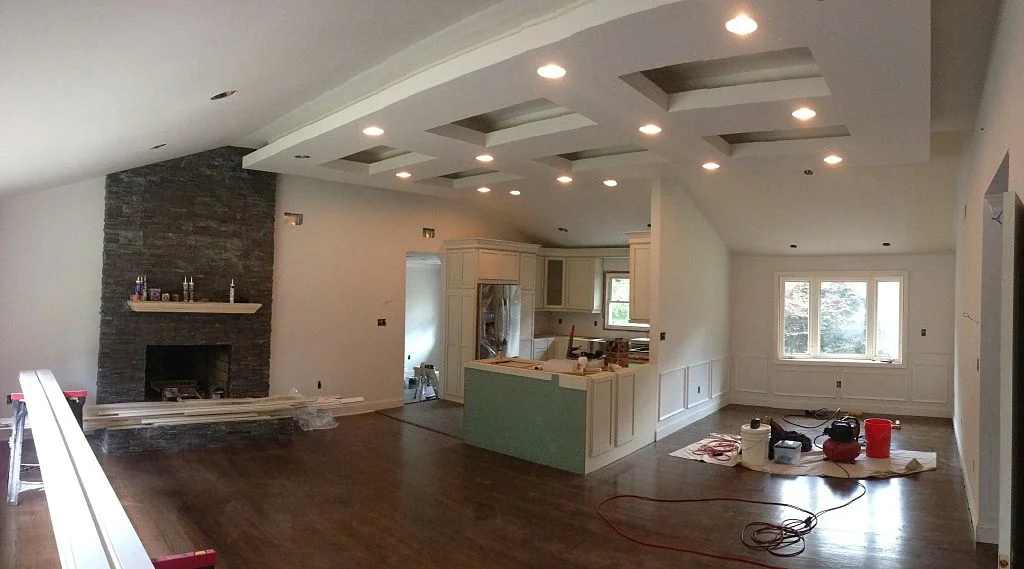
Interior remodeling more broadly might include opening up walls between rooms, updating flooring throughout the home, or reconfiguring a layout that no longer makes sense for how the household actually lives.
Basement and attic conversions unlock square footage that’s often underused, creating everything from home offices to guest suites or media rooms.
Custom Home Remodeling: Built Around How You Live
Generic renovations can look nice, but they don’t always function well for the people actually living in the space. Custom home remodeling starts with your specific needs — whether that’s a kitchen designed for someone who cooks daily, a home office that supports focused work, or a layout that keeps a busy family connected without feeling chaotic.
This approach typically involves more upfront planning and design collaboration, but the payoff is a home that genuinely fits your life rather than a template that was never designed with you in mind.
What to Expect From Remodeling Experts
Working with experienced remodeling experts typically follows a clear process:
- Consultation and goal-setting — Discussing your priorities, budget, and vision for the space.
- Design development — Finalizing layouts, materials, and finishes based on your goals.
- Permitting — Securing any necessary permits for structural, electrical, or plumbing work.
- Construction — Demolition, framing, rough-in work, and structural changes, followed by finish work.
- Final walkthrough — Reviewing the completed project together to confirm everything meets expectations.
Clear communication throughout each phase is one of the biggest indicators of a quality residential remodeling partner — you should always know what’s happening and what comes next.
Budgeting for Your Remodel
A few key factors shape most remodeling budgets:
- Scope of work — cosmetic refresh vs. structural changes
- Material and fixture selections
- Whether plumbing or electrical relocation is required
- Permit requirements based on project scale
- Regional labor costs
Ask for a detailed, itemized estimate rather than a rough number, and build in a contingency — typically 10–15% of the total budget — for unexpected issues that often surface once walls are opened up.
Choosing the Right Remodeling Partner
Not every contractor is the right fit for every project. When evaluating potential partners for your home remodeling project, look for:
- A portfolio of completed work similar in scope to your project
- Proper licensing and insurance
- Reviews that specifically mention communication and reliability
- A clear, written contract detailing scope, cost, and timeline
- A willingness to answer your questions thoroughly before you sign anything
Final Thoughts
A house should feel like it works for you — not the other way around. Whether you’re planning a single room refresh or a complete whole home remodeling transformation, the right team can turn an outdated or inefficient space into one that truly fits your life. With careful planning, clear communication, and an experienced partner, your next renovation can be a smooth, rewarding process from start to finish.
Ready to get started? Reach out to a trusted local home remodeling contractor for a consultation and a personalized quote.
Frequently Asked Questions
How much does home remodeling typically cost? Cost depends heavily on scope — a single bathroom update costs far less than a whole home remodel. Getting itemized quotes from a few contractors is the best way to understand realistic pricing for your specific project.
Is it better to remodel one room at a time or the whole house at once? It depends on your budget and tolerance for disruption. Whole-home remodeling offers a cohesive result in one timeline, while room-by-room updates spread out cost and let you prioritize the most-used spaces first.
How long does a home remodeling project take? A single room update might take a few weeks, while a whole home remodel can take several months, especially if structural changes or permits are involved.
Can I stay in my home during a remodel? Often, yes, especially for projects isolated to one room. Larger whole-home projects may require temporary relocation depending on the extent of the work.
What’s the difference between a general contractor and a home improvement contractor? The terms are often used interchangeably, though “home improvement contractor” sometimes implies a focus on residential renovation specifically. Either way, confirm licensing, insurance, and relevant experience before hiring.