Bathroom remodeling is one of the most impactful home improvement projects a homeowner can undertake, both in terms of daily comfort and long-term property value. A well-planned bathroom renovation improves functionality, enhances aesthetics, solves hidden plumbing or structural issues, and creates a more efficient use of space. However, without proper planning, bathroom remodeling can quickly become expensive, stressful, and inefficient.
Successful bathroom remodeling is not just about choosing new tiles or fixtures. It is a structured process that involves goal setting, budgeting, space evaluation, design planning, contractor selection, material decisions, and understanding permits and timelines. Each stage influences the final outcome, and skipping any step can lead to costly mistakes or design limitations later.
This guide provides a complete, structured approach to planning a bathroom remodeling project in a way that is practical, strategic, and aligned with modern construction and design standards.
Define Your Bathroom Remodeling Goals
Before starting any physical work, it is essential to clearly define what you want to achieve with your bathroom remodeling project. This stage determines every decision that follows.
Identify Your Primary Needs
Every bathroom remodel starts with identifying core problems. Some homeowners need more storage due to cluttered countertops, while others require better layout efficiency in a small space. Common needs include improving lighting, replacing outdated fixtures, fixing water damage, or increasing ventilation. Understanding your primary pain points ensures the remodeling process is solution-driven rather than purely aesthetic.
Determine Must-Have Features
Once needs are identified, define must-have features that will be included in the final design. These may include a walk-in shower with frameless glass, a double vanity for shared use, a soaking tub for relaxation, or modern water-efficient fixtures. Must-have features act as design anchors that shape the layout and budget.
Set Long-Term Objectives
Bathroom remodeling should not only solve immediate issues but also support long-term goals. These may include increasing home resale value, improving energy efficiency, or creating a more accessible bathroom for aging in place. When long-term goals are considered early, the design becomes more future-proof and financially sound.
Establish a Realistic Bathroom Remodeling Budget
Budget planning is one of the most critical aspects of bathroom remodeling. A clear budget prevents overspending and ensures the project stays financially controlled.
Understand Average Remodeling Costs
Bathroom remodeling costs vary depending on size, materials, and complexity. A small bathroom remodel typically involves basic upgrades such as fixtures and paint. Mid-range projects include layout improvements, tile work, and new vanities. High-end remodels involve structural changes, luxury materials, and custom installations.
Understanding these tiers helps homeowners align expectations with financial reality.
Include Hidden Costs
Many homeowners underestimate indirect costs in bathroom remodeling. These may include plumbing updates behind walls, electrical rewiring for modern lighting, waterproofing systems, demolition disposal, and permit fees. Ignoring these hidden expenses often leads to budget overruns.
Build a Contingency Fund
A contingency budget of 10 to 20 percent is essential in any remodeling project. Unexpected issues such as mold, pipe corrosion, or structural weaknesses frequently appear once demolition begins. A contingency fund ensures the project continues smoothly without financial disruption.
Assess Your Existing Bathroom Space
Before designing a new bathroom layout, it is necessary to evaluate the current condition of the space.
Evaluate Current Layout
Start by analyzing how the existing bathroom functions. Identify areas where movement feels restricted, where fixtures are poorly placed, or where space is wasted. A strong understanding of the current layout helps in creating an improved and more efficient design.
Inspect Plumbing and Electrical Systems
Bathroom remodeling often involves hidden infrastructure. Old plumbing lines may need replacement to support modern fixtures, while outdated electrical systems may not meet current safety standards. Early inspection prevents future construction delays.
Measure Everything Carefully
Accurate measurements are essential in bathroom remodeling. Every inch matters, especially in small bathrooms. Proper measurements ensure that new fixtures, cabinets, and shower units fit perfectly without causing spacing or accessibility issues.
Create a Bathroom Remodeling Design Plan
Design planning transforms ideas into a structured blueprint that guides the entire remodeling process.
Choose Your Bathroom Style
Selecting a consistent design style creates visual harmony. Popular choices include modern minimalist bathrooms with clean lines, traditional designs with classic detailing, contemporary layouts with mixed materials, and spa-inspired bathrooms focused on relaxation. Style selection influences tile, color palette, lighting, and fixture choices.
Select a Functional Layout
A successful bathroom remodeling project prioritizes functionality. Layout decisions should focus on efficient movement, proper fixture spacing, and optimized storage. The placement of sinks, toilets, and showers should support natural flow and usability.
Prioritize Lighting and Ventilation
Lighting and ventilation significantly impact bathroom comfort. Natural lighting enhances visibility and aesthetics, while layered artificial lighting improves functionality. Proper ventilation prevents mold growth, reduces humidity, and extends the life of materials.
Choose High-Quality Materials and Fixtures
Material selection directly affects durability, maintenance, and visual appeal in bathroom remodeling.
Flooring Options
Bathroom flooring must be water-resistant and durable. Porcelain tiles are widely used due to their strength and design flexibility. Vinyl flooring offers affordability and moisture resistance, while natural stone provides a premium aesthetic but requires maintenance.
Wall and Shower Materials
Walls and shower areas require waterproof materials. Ceramic and porcelain tiles are common choices, while modern waterproof panels offer seamless installation. Proper sealing is essential to prevent long-term water damage.
Fixtures and Hardware
Fixtures define the usability and style of the bathroom. Faucets, showerheads, vanities, mirrors, and handles should combine durability with aesthetic consistency. Water-efficient fixtures also help reduce long-term utility costs.
Hire the Right Bathroom Remodeling Contractor
Choosing the right contractor determines the quality and success of the entire project.
Research Local Contractors
Start by reviewing local professionals with proven experience in bathroom remodeling. Check online reviews, past project portfolios, and customer testimonials. A strong track record indicates reliability and craftsmanship.
Ask the Right Questions
Before hiring, verify licensing, insurance coverage, and experience with similar projects. Ask about project timelines, subcontractors, and communication processes. Clear expectations prevent misunderstandings during construction.
Compare Detailed Estimates
Do not rely on a single quote. Compare multiple estimates that include labor, materials, timelines, and warranty terms. A detailed estimate helps identify transparency and value differences between contractors.
Understand Permits and Building Codes
Bathroom remodeling often requires compliance with local building regulations.
When Permits Are Required
Permits are typically needed for plumbing relocation, electrical upgrades, and structural changes. Even minor adjustments may require approval depending on local regulations.
Importance of Code Compliance
Following building codes ensures safety and prevents future legal or financial issues. Non-compliance can lead to penalties or required reconstruction work, making this step essential.
Create a Remodeling Timeline
A structured timeline keeps the project organized and minimizes delays.
Pre-Construction Planning
This phase includes design finalization, material selection, contractor scheduling, and permit approvals. Proper preparation reduces disruptions during construction.
Construction Phase
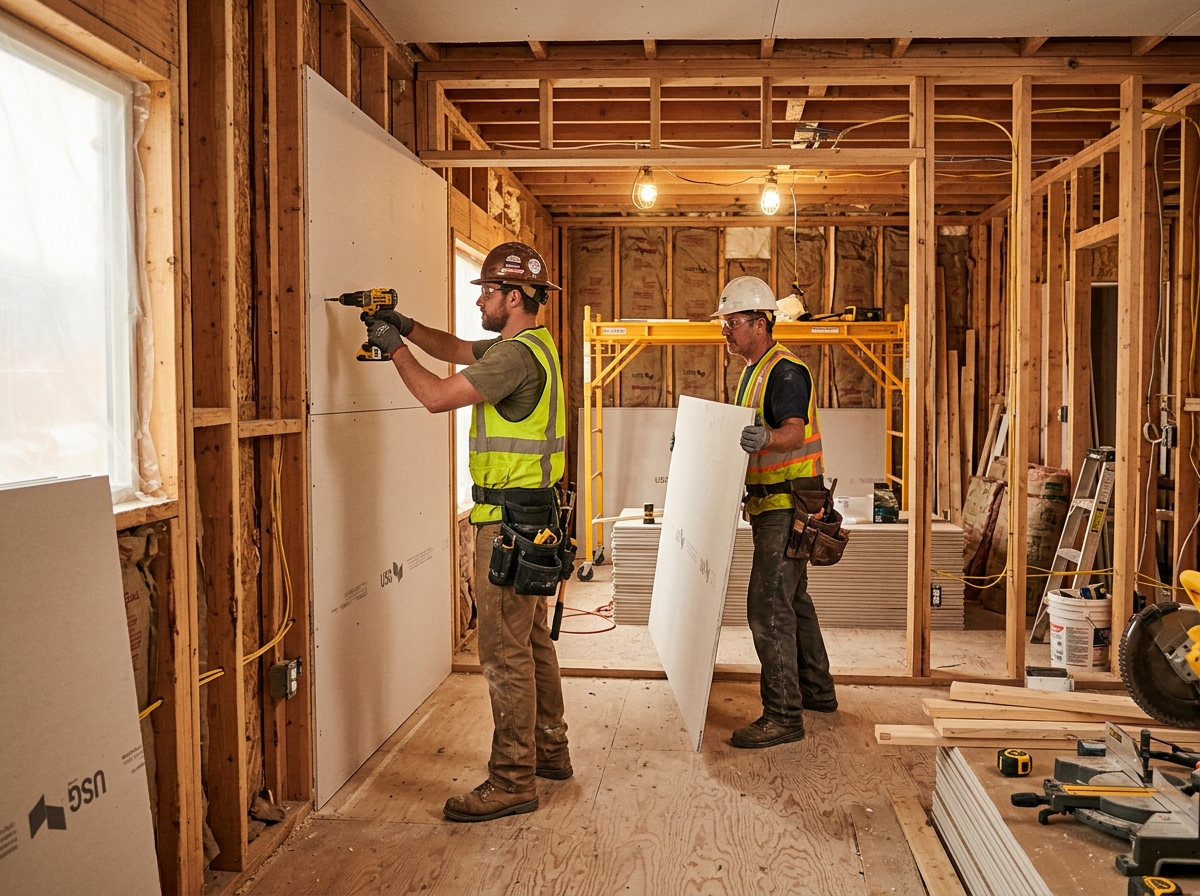
This stage involves demolition, plumbing and electrical work, flooring installation, tiling, and fixture setup. Each step must follow a logical sequence to avoid rework.
Final Inspection and Punch List
After construction, a detailed inspection ensures everything functions correctly. Any minor issues such as uneven tiles or fixture adjustments are addressed in the punch list stage.
Prepare for Construction Disruptions
Bathroom remodeling can temporarily disrupt daily routines, so preparation is essential.
Set Up a Temporary Bathroom
If possible, arrange an alternative bathroom space during renovation. This reduces inconvenience for household members.
Protect Nearby Areas
Dust and debris can spread during demolition. Cover adjacent rooms and protect flooring to minimize cleanup and damage.
Communicate with Contractors Regularly
Consistent communication ensures progress tracking and quick resolution of issues. Regular updates keep the project aligned with expectations.
Avoid Common Bathroom Remodeling Mistakes
Many remodeling issues arise from poor planning rather than execution.
Underestimating Costs
Failing to account for hidden expenses leads to budget overruns. Always include contingency planning.
Choosing Style Over Function
A visually appealing bathroom is not successful if it lacks usability. Functionality should always come first.
Ignoring Storage Needs
Insufficient storage leads to clutter and reduced usability. Integrated storage solutions should be planned early.
Poor Ventilation Planning
Without proper ventilation, moisture buildup can cause mold and structural damage over time.
Add Features That Increase Home Value
Bathroom remodeling can significantly increase property value when designed strategically.
Energy-Efficient Fixtures
Low-flow toilets, LED lighting, and water-saving faucets reduce utility costs and appeal to modern buyers.
Modern Storage Solutions
Built-in shelves, floating vanities, and recessed cabinets improve organization and space efficiency.
Timeless Design Choices
Neutral color palettes and classic materials ensure long-term design relevance and wider buyer appeal.
Final Walkthrough Checklist
Before completing the project, a final inspection ensures quality and functionality.
Inspect Fixtures
Check all faucets, showers, and toilets for proper operation and leaks.
Check Finishes
Review tile alignment, paint quality, and surface consistency.
Test Plumbing and Electrical
Ensure water flow, drainage, lighting, and switches function correctly.
Conclusion
Planning a successful bathroom remodeling project requires a structured approach that combines design vision with practical execution. From setting clear goals and budgeting accurately to selecting materials and hiring the right contractor, each step contributes to the final outcome.
A well-planned bathroom remodel not only enhances daily living comfort but also increases long-term property value and efficiency. With careful preparation and informed decision-making, homeowners can transform an outdated bathroom into a functional, modern, and highly valuable space.